
ZIP 33060
Central / Old Pompano
Historic downtown area, inland from the beach
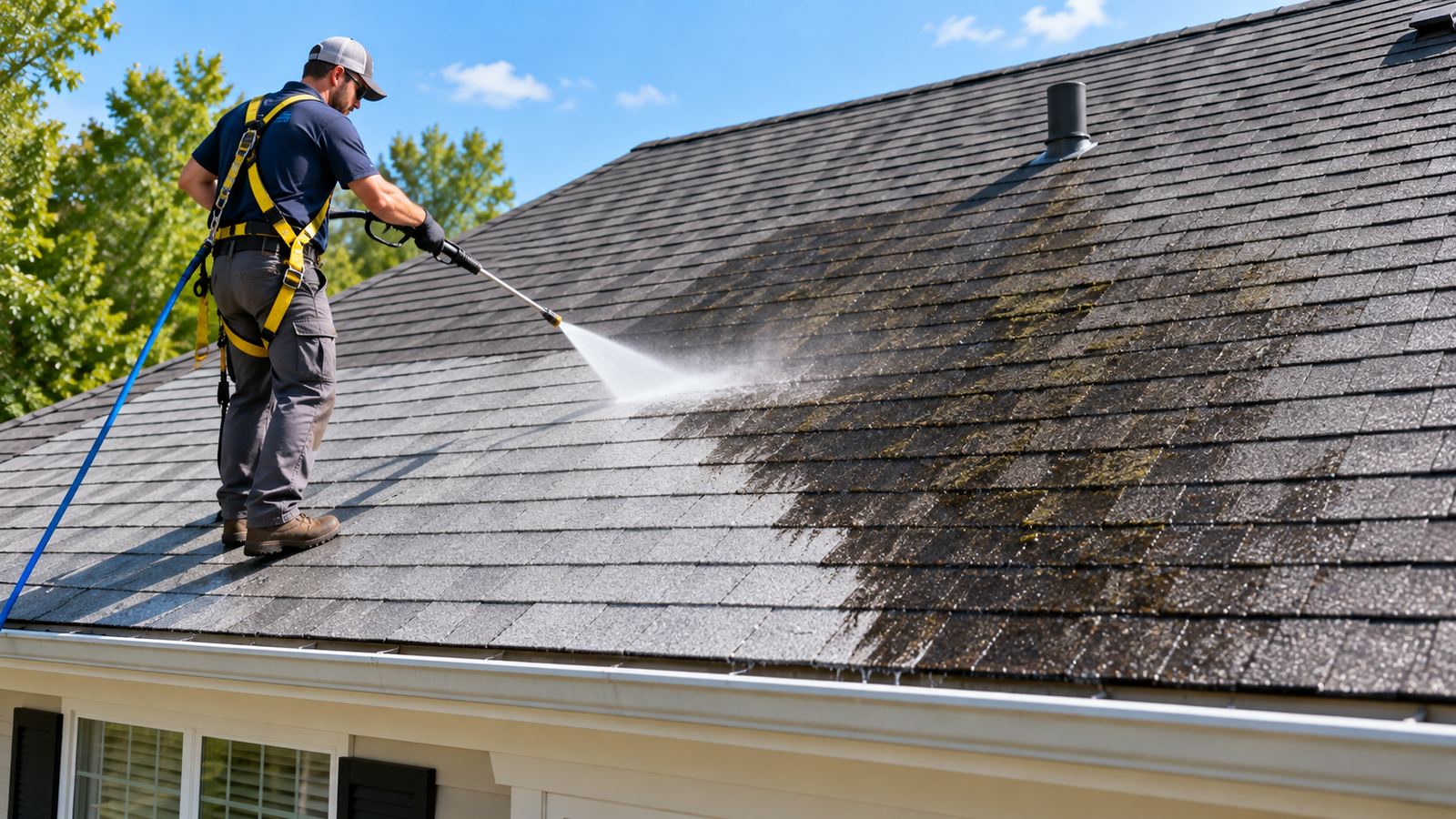
See ZIP 33060Roof pressure washing here means a low-pressure soft wash with a roof-safe cleaner. Fast Pro removes dark algae streaks, mildew, and moss from shingle, tile, flat, and metal roofs without stripping the surface, and clears and flushes your gutters in the same visit.
ZIP codes we serve in Pompano Beach
Serving Pompano Beach, FL homeowners. 6+ years of experience. 500+ jobs completed. Last updated .
Every roof wash includes
Soft wash onlySalt-laden air near Pompano Beach's coastline can speed up roof staining in a way inland canopy alone does not, which is exactly the kind of buildup a roof pressure wash is built to clear.
A Pompano Beach roof near the Atlantic faces a different buildup than one set back several miles inland. Salt carried on the onshore breeze settles onto beachfront and near-beach roofs near A1A and Hillsboro Inlet, and combined with South Florida humidity it can speed up both algae growth and a dull, salt-hazed look that plain tree-driven staining does not cause. Roof type here varies by construction era more than by proximity to water, since older stock near the historic Old Pompano area and the original 1908 town center often carries concrete or clay tile, while newer construction toward the beach and near Pompano Park runs more to asphalt shingle. Each one needs a different touch. Tile can crack under direct high-pressure contact, shingle granules wash away under a hard enough stream, and salt residue near the coast can make streaking look worse than it is until the roof is actually rinsed. We use a low-pressure soft wash rather than a blaster on every roof type in Pompano Beach, so tile and shingle both come clean without stripping granules, cracking tile, or forcing water under the roofing material. The Goodyear Blimp's base at Pompano Beach Airpark and the inland streets around Pompano Park sit far enough from the coastline that roofs there mostly deal with ordinary algae growth rather than the salt-driven haze a beachfront roof picks up. The former Pompano Beach Municipal Stadium site, once spring training grounds for the Washington Senators and later the Texas Rangers, now sits inside the city's Community Park, another inland landmark far enough from the coastline that its surrounding roofs follow the same canopy-driven pattern as the rest of the inland neighborhoods. We have washed roofs on both sides of the city in the same week and come away with very different before-and-after photos, which is why we quote by the actual roof rather than by the ZIP code alone. Pompano Beach's roughly 55.6 inches of average annual rainfall, heaviest in June and lightest in January, sets the same rough wet-dry rhythm for the whole city, but a coastal roof and an inland roof still end up on different wash schedules within that same calendar. The old Town of Pompano, incorporated back in 1908 decades before the beach side existed as its own municipality, anchors the inland half of that calendar difference, with roofs there drying out faster after rain than anything sitting right on the coast. We have rinsed roofs on both sides of that old boundary in the same afternoon and seen the difference firsthand, which is why our schedule recommendation always comes from the actual roof.
Pompano Beach roofs range from older stock in the historic inland sections near the original 1908 town to newer construction closer to the beach. Salt-laden air near the coast can speed up roof staining in a way that inland canopy and leaf litter simply do not replicate.
The right method depends on the roof material. We match the cleaner and the footing to it.
| Roof type | What grows or builds up | How we clean it |
|---|---|---|
| Asphalt shingle | Dark algae streaks, moss, and lichen | Roof-safe cleaner, low-pressure rinse, never a pressure blaster |
| Concrete or clay tile | Dark algae, mildew, and moss in the valleys | Soft wash, careful footing, and a rinse that follows the tile pattern |
| Flat or low-slope roof | Mildew, dirt film, and standing-water stains | Low-pressure wash with a membrane-safe cleaner, drains cleared |
| Metal | Dirt film, mildew, and oxidation | Gentle wash and rinse that will not scar the coating |
On asphalt shingles the dark streaks are usually a cyanobacterium called Gloeocapsa magma, which feeds on the limestone filler in the shingle and spreads on the wind, as the Asphalt Roofing Manufacturers Association explains. Warm, humid, shaded roofs grow it fastest.
This is the question that decides whether a roof cleaning helps your roof or hurts it.
| On your roof | High-pressure blasting | Our low-pressure soft wash |
|---|---|---|
| Shingles | Knocks off protective granules. | Granules stay in place. |
| Algae and mildew | Roots stay and streaks return sooner. | Cleaner kills growth at its base. |
| Water intrusion | Can force water under the roof surface. | Gentle flow that follows the way rain runs. |
| Tile, flat, and metal | Can chip tile and scar coatings and membranes. | Safe on tile, flat roofs, metal, and shingle. |
We use a soft wash on every roof. The cleaner does the work, and the water only carries it off. That is slower than blasting, and it is the reason your roof comes out of it in one piece.
Gutters first, roof second, gutters again at the end.
We check the material, the pitch, the condition of the surface, and the safest way up. Loose or damaged areas get flagged before we start.
Debris comes out first so the rinse has a clear path and the roof does not wash dirt into a full trough.
Shrubs and flower beds under the roof line are wet down and covered.
The cleaner goes on at low pressure and sits long enough to kill the growth at its base.
A low-pressure rinse carries the cleaner and the dead growth down and off, the way rain would.
Runoff from the roof leaves through the gutters and downspouts, so we flush them a second time.
You get before and after photos and a note on anything we saw that needs a roofer.
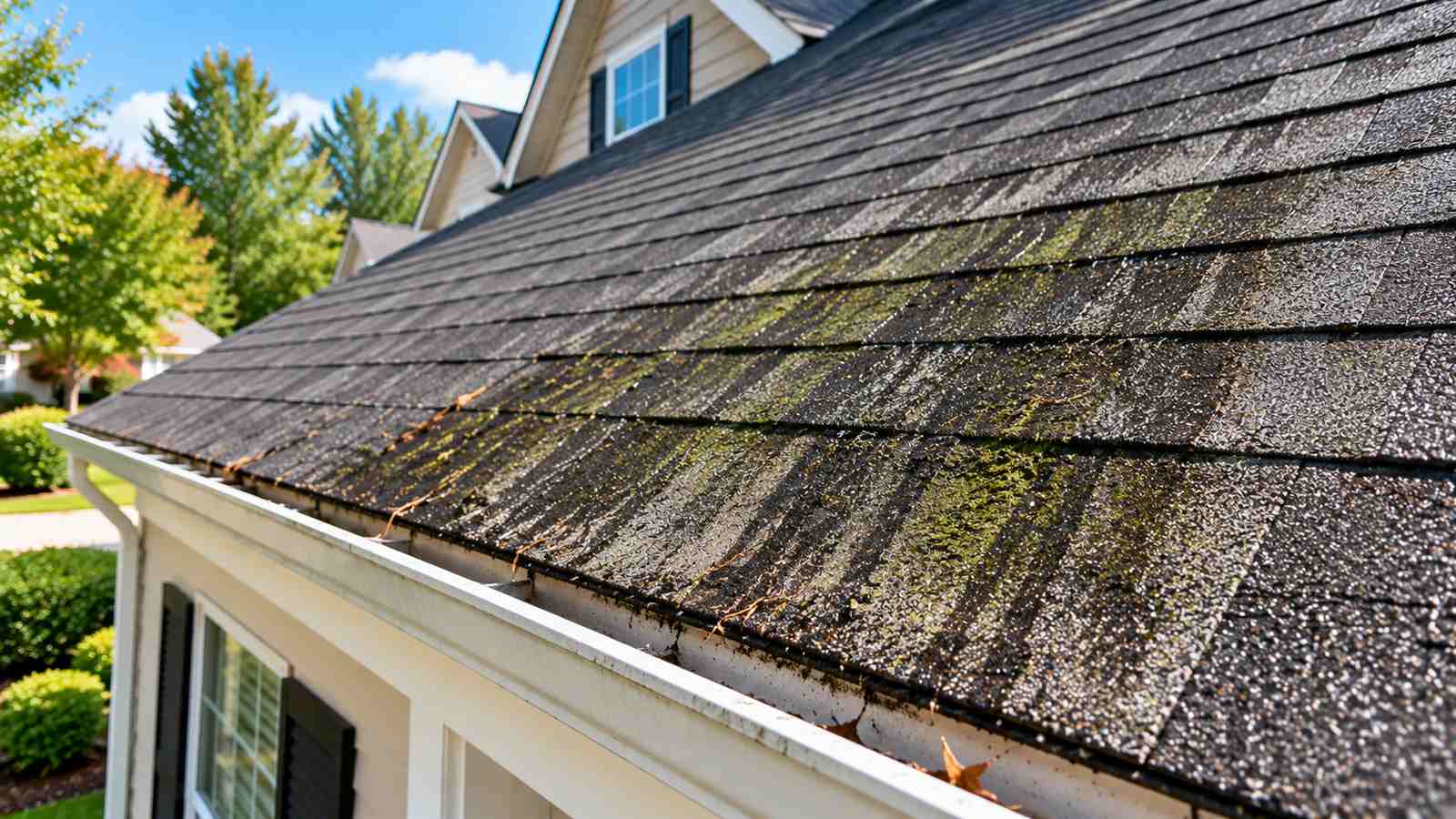
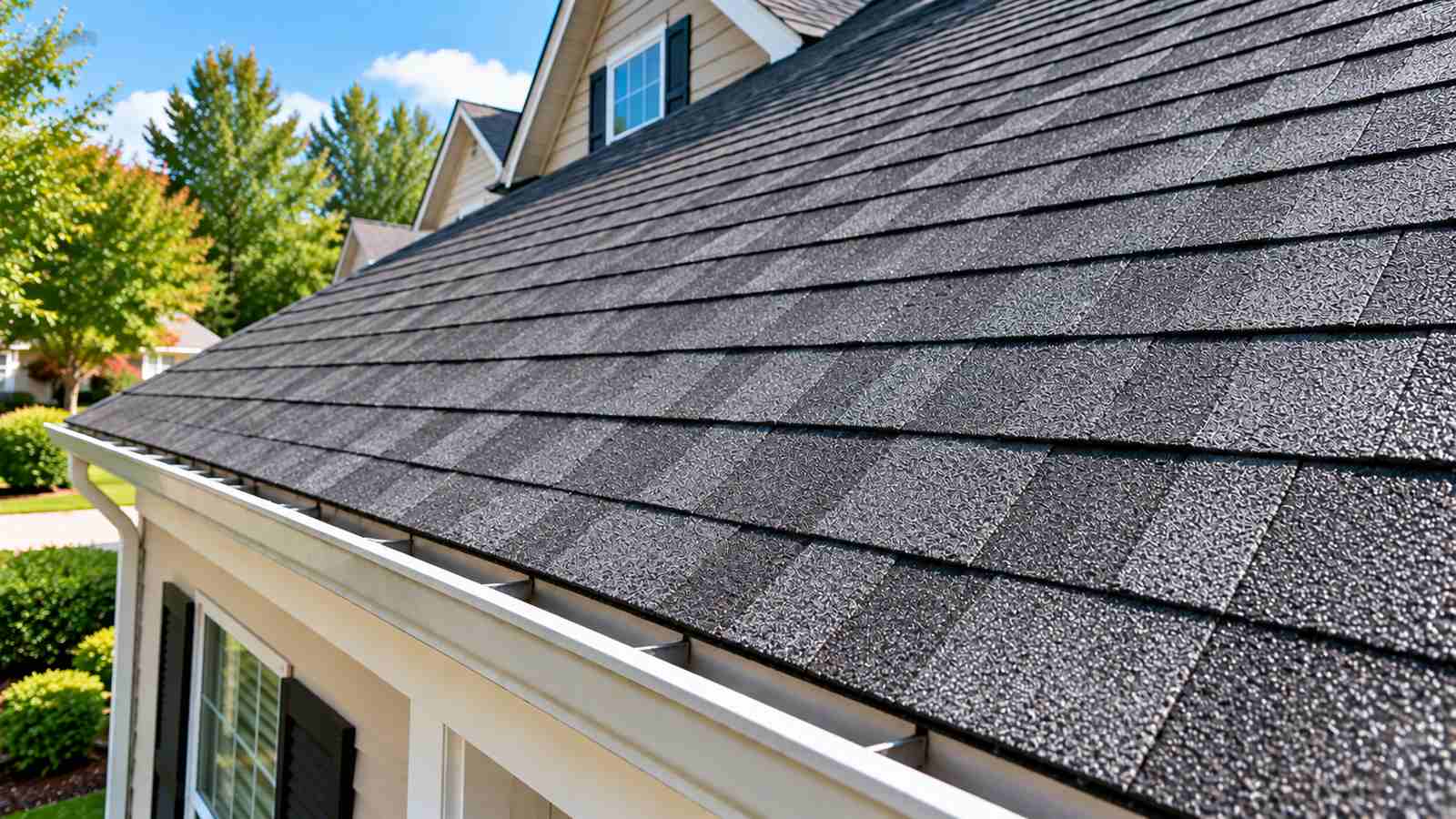
Streaks fade as the cleaner works. The rinse only carries them off.
The same roof, photographed from the same spot before and after.
Roofs are dangerous places. We use the right ladder angle (see NIOSH guidance), we walk only on surfaces that can take it, and we never use high pressure. If a roof is too steep, too fragile, or too damaged to wash safely, we say so.
We clean roofs. We do not repair or replace them. When we find damaged roofing, we photograph it and tell you plainly, so a licensed roofer can take it from there.
Pick your ZIP code to see the neighborhoods we cover, or call and we will confirm your street.
Central / Old Pompano
Historic downtown area, inland from the beach
See ZIP 33060Beach / East Pompano
A1A corridor, Hillsboro Inlet area
See ZIP 33062North Pompano
Cresthaven and Harbor Village areas
See ZIP 33064West Pompano
Near Pompano Park and the Sawgrass Expressway
See ZIP 33069Not sure we cover your ZIP code? Call us at (813) 856-2726.
It depends on the feet of gutter, the number of stories, how packed the runs are, and whether guards are installed. We ask about all of it on the phone and quote before we book. The inspection is free with a gutter cleaning.
Sometimes. Salt residue near A1A and Hillsboro Inlet can build up differently than inland leaf litter, which can change how a job is quoted.
Twice a year is the floor for most homes. Beachfront properties and homes under heavy inland canopy usually need three or four visits.
We serve ZIP codes across Pompano Beach, including 33060, 33062, 33064, and 33069. The ZIP codes page lists the areas each one covers. If yours is not listed, call and ask.
It can. Salt carried on the onshore breeze near A1A and Hillsboro Inlet can speed up staining in a way inland canopy alone does not.
Call and tell us the roof material and what you see. We quote by phone and find a day that works.
Call (813) 856-2726